
gold bathroom mirror
One-Way Ball Check Valve Essential Component for Fluid Control A one-way ball check valve is a crucial fitting used in various fluid systems to prevent backflow, ensuring that liquids or gases flow in only one direction. This device plays a vital role in various industries, including plumbing, oil and gas, chemical processing, and water supply systems. Its simplicity and reliability make it an indispensable component for maintaining system integrity and efficiency. How It Works The one-way ball check valve operates on a straightforward principle. Inside the valve, there is a spherical ball that seats against a conical or angled seat. When fluid flows in the intended direction, the pressure forces the ball away from the seat, allowing the fluid to pass through. Conversely, if there is a reverse flow, the ball is pressed against the seat by the fluid pressure, effectively sealing the passage and preventing backflow. This mechanism is particularly beneficial in applications where backflow can cause contamination, damage, or system inefficiency. For example, in a wastewater system, backflow could lead to contamination of clean water supplies, while in a heating system, it could disrupt the heating process and damage equipment. Advantages of One-Way Ball Check Valves One of the primary advantages of one-way ball check valves is their ability to provide reliable sealing against backflow. Unlike other check valves, their design allows them to handle various fluid types and conditions, including those that might contain solids or debris. The smooth surface of the ball minimizes friction, enabling efficient flow and reducing the likelihood of blockage. one way ball check valve Moreover, these valves are generally low maintenance due to their simple design. They don’t typically include moving parts that can wear or fail, which makes them a cost-effective solution for long-term use. Additionally, their compact size allows easy integration into various piping systems without requiring extensive modifications. Applications One-way ball check valves find applications in numerous sectors. In residential plumbing, they are often used to prevent water from reversing back into the main supply line. In industrial settings, they are essential for pumps, ensuring that the fluid flows in the required direction while protecting the pump from damage caused by backflow. In the oil and gas industry, these valves help maintain the integrity of pipelines where fluid must flow under high pressure. They are also crucial in chemical processing plants, where the prevention of backflow can avert dangerous chemical reactions and ensure safety. Conclusion In summary, one-way ball check valves are simple yet effective devices that play a critical role in fluid control systems. Their design ensures a reliable seal to prevent backflow, making them invaluable in a wide range of applications across various industries. Due to their durability and low maintenance requirements, they not only enhance system efficiency but also contribute to overall safety in fluid handling processes. As technology advances, the design and materials used in these valves will likely evolve, further improving their performance and expanding their applications.
about
gold bathroom mirror
Het Belang van Type Niet-terugslagkleppen Niet-terugslagkleppen zijn cruciale componenten in vele industriële en huishoudelijke toepassingen. Ze zijn ontworpen om de vloeistofstroom in één richting te laten stromen en te voorkomen dat deze terugstroomt. Dit voorkomt schade aan apparatuur, stagnatie van vloeistoffen en andere ongewenste situaties. Er zijn verschillende soorten niet-terugslagkleppen, elk met hun eigen specifieke toepassingen en voordelen. 1. Balkleppen Balkleppen zijn een van de meest voorkomende types niet-terugslagkleppen. Deze kleppen bevatten een bal die vrij kan bewegen binnen de behuizing. Wanneer de vloeistof door de klep stroomt, wordt de bal omhoog geduwd, waardoor de vloeistof verder kan stromen. Als de vloeistofstroom stopt of probeert terug te stromen, zal de bal op zijn plaats vallen en de opening afsluiten. Dit eenvoudige maar effectieve ontwerp maakt balkleppen zeer betrouwbaar en populair in verschillende toepassingen, van waterleidingen tot olie- en gasinstallaties. 2. Schuifkleppen Schuifkleppen zijn een andere variant die vaak wordt gebruikt. Ze beschikken over een schuifmechanisme dat naar beneden of omhoog beweegt om de stroom te regelen. Wanneer de vloeistof in de juiste richting stroomt, wordt de klep geopend. Bij terugstroom sluit de klep automatisch. Schuifkleppen zijn bijzonder nuttig in systemen waar een strakke afsluiting vereist is om lekkages te voorkomen. 3. Veerbelaste Kleppen non return valve types Veerbelaste niet-terugslagkleppen maken gebruik van een veersysteem om de klep in de gesloten positie te houden wanneer er geen vloeistofstroom is. Wanneer de druk van de stromende vloeistof hoog genoeg is, wordt de klep geopend. Dit type klep is zeer effectief in situaties waar de vloeistofdruk kan fluctueren. De veer zorgt ervoor dat de klep altijd terugkeert naar de gesloten positie, wat de kans op terugstroming minimaliseert. 4. Retourkleppen Retourkleppen, soms ook bekend als terugslagkleppen, worden vaak gebruikt in verwarmings- en koelsystemen. Deze kleppen zijn ontworpen om te reageren op temperatuurveranderingen in het systeem. Bij stijgende temperaturen opent de klep automatisch, waardoor de warme vloeistof kan circuleren. Zodra de temperatuur weer afneemt, sluit de klep en voorkomt zo terugstroom. Dit type klep is van groot belang in systemen waar temperatuurregeling essentieel is voor de juiste werking. 5. Til- en Flapperkleppen Til- en flapperkleppen zijn populair in toepassingen waar de vloeistofstroom snel en met hoge snelheid is. Deze kleppen zetten een flap of een klepje in om de terugstroom te blokkeren. Wanneer vloeistof met voldoende kracht passeert, tilt de flap op, maar bij een omgekeerde stroom valt de flap terug op de opening, waardoor de terugstroom wordt verhinderd. Ze worden vaak gebruikt in industriële installaties, zoals bij rioolwaterbehandelingssystemen. Conclusie Het gebruik van niet-terugslagkleppen is essentieel voor het waarborgen van de veiligheid en efficiëntie in verschillende vloeistoftransport- en verwerkingssystemen. Door de juiste soort niet-terugslagklep te kiezen, kunnen bedrijven en huiseigenaren ervoor zorgen dat hun systemen soepel functioneren en dat ongewenste terugstroom wordt voorkomen. Of het nu gaat om bal-, schuif-, veerbelaste, retour- of flapperkleppen, elk type biedt specifieke voordelen die passen bij de behoeften van de toepassing. Het is daarom belangrijk om de juiste keuze te maken op basis van de specifieke eisen van het systeem.
-

High quality industrial productsagement

High quality industrial products
View Details -

Meet the diverse needs of customers

Meet the diverse needs of customers
View Details -

Strict quality control

Strict quality control
View Details -

Top raw materials

Top raw materials
View Details -

Trusted supplier

Trusted supplier
View Details
Our application
news and information
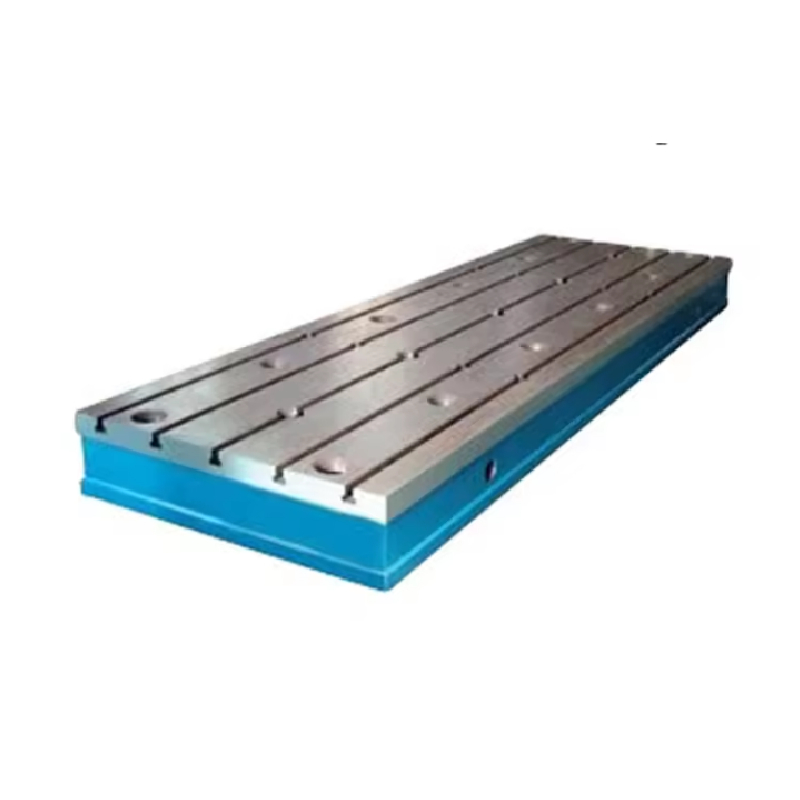
What Are the Different Types of Gate Valves_
When diving into the world of industrial flow control, understanding the various types of gate valve
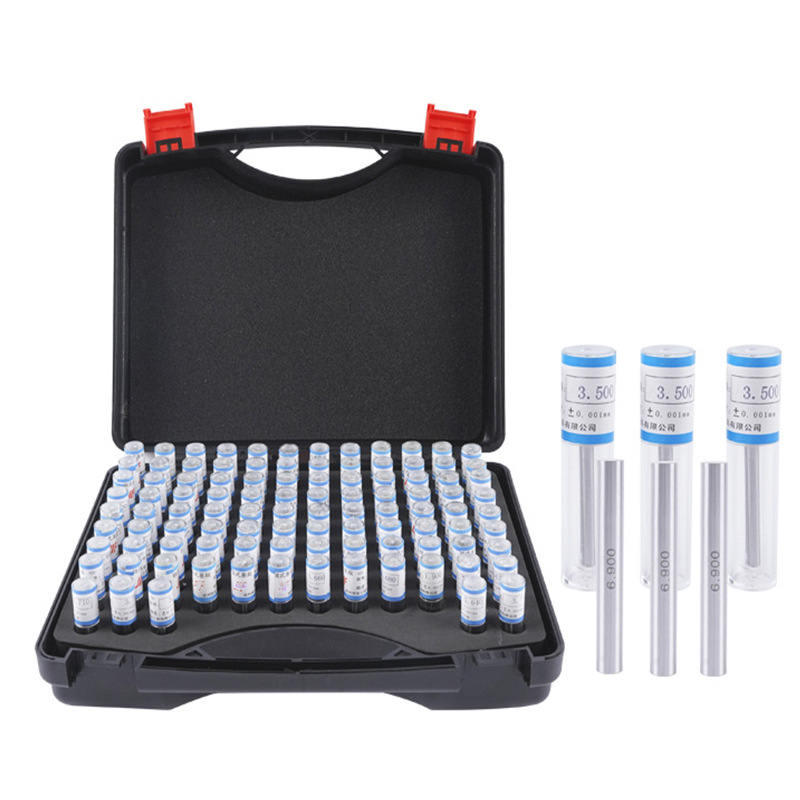
welding tables should be made of
The Importance of Welding Tables Material Considerations Welding is an essential process in various
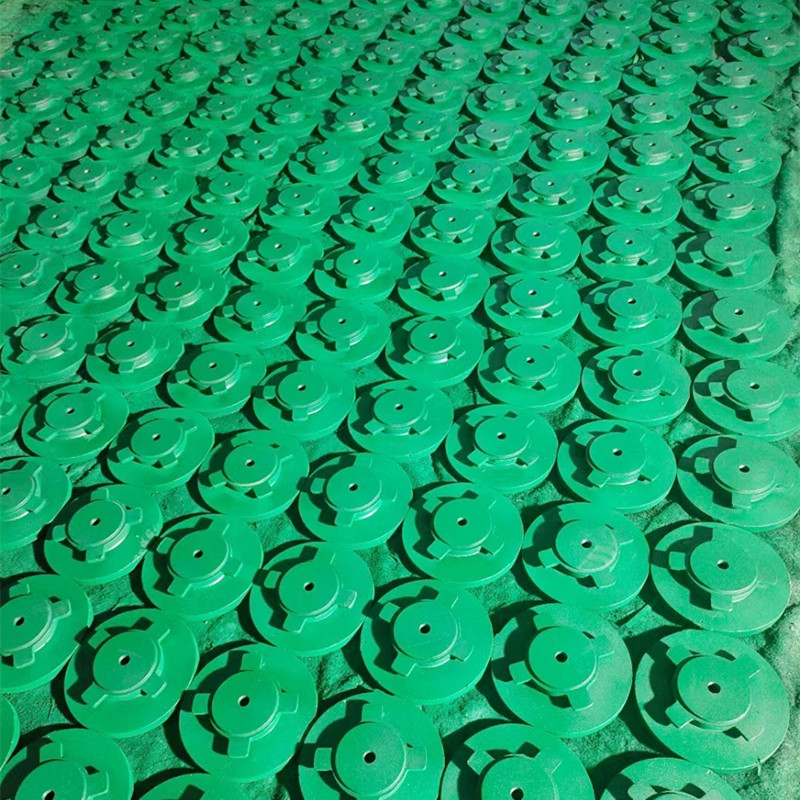
Versatile 3D Welding Table for Precision Fabrication and Efficient Workflow Solutions
The Advantages of a 3D Welding Table in Modern Fabrication In today’s fast-paced manufacturing envir
 English